
Can AI Replace Psychotherapy? The Irreplaceable Value of Human Presence
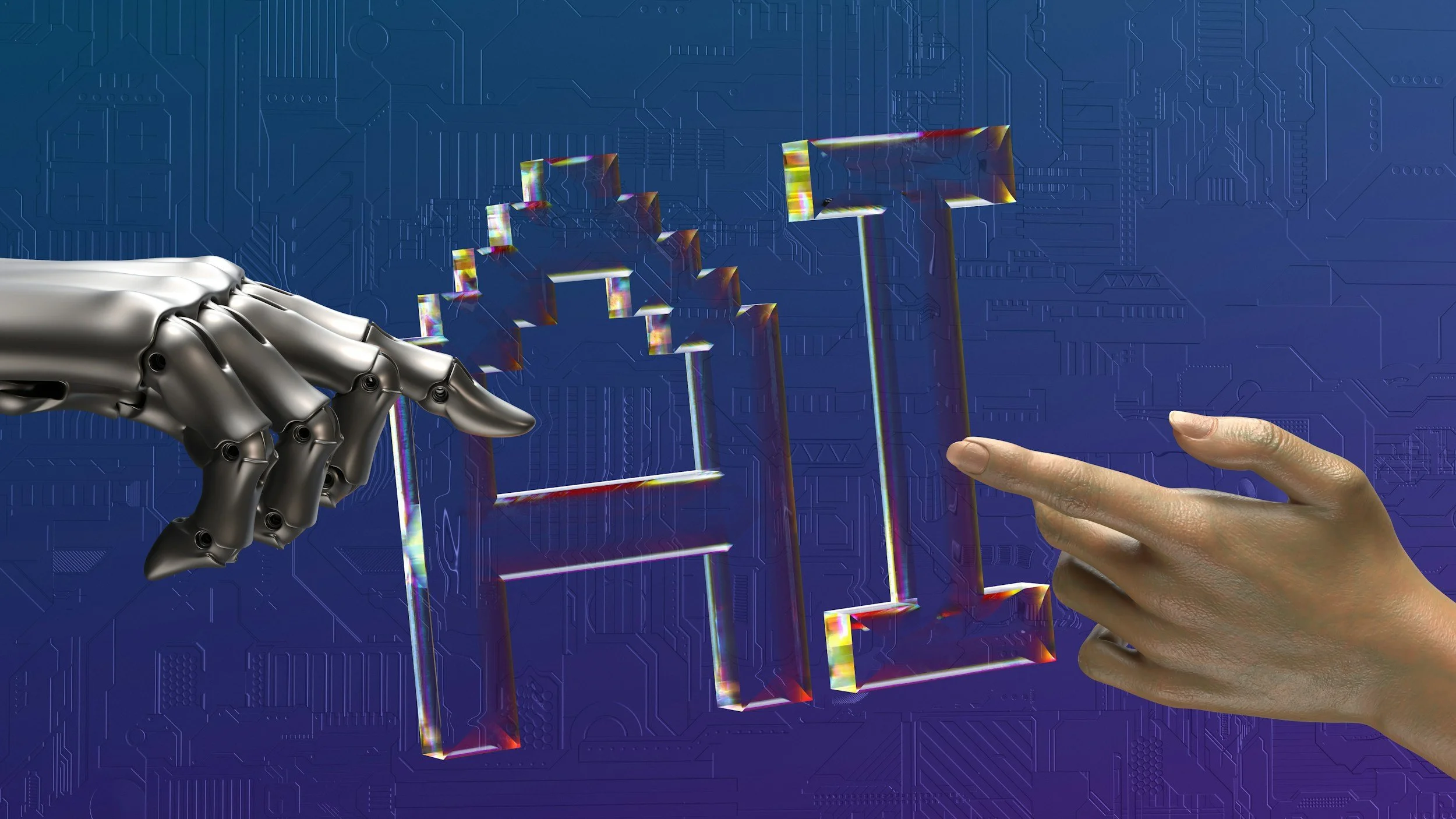
You have not sugar-coated what you gave the AI. You told it the truth as fully as you could. And yet it has been, perhaps, a little too kind in return. It has reflected your words back in orderly, compassionate-sounding language. Something is still missing. Something that has no words and therefore cannot be typed. Something that lives, instead, in the space between two human bodies in a room.
That something has a name in neuroscience. It is the mirror neuron system, a network of neurons first identified in primates and later in humans, that fires both when we perform an action and when we observe another performing it. Mirror neurons are the biological substrate of empathy. They are why you flinch when you watch someone stub their toe, why a baby smiles back when you smile first, why a yawn is contagious. They are, in the most literal sense, the mechanism by which one nervous system resonates with another.
When you sit with a skilled human therapist, your mirror neuron systems are in constant, wordless conversation. Your therapist is not merely listening to the content of what you say. Their body is receiving the tremor in your voice, the way your breath catches, the micro-expressions that cross your face before language organises itself. Their nervous system is, quite literally, resonating with yours. This is not metaphor. It is biology.
No AI has a nervous system. No AI has a body. No AI has lived through loss, or estrangement, or the particular grief of loving someone whose love comes only on their own terms. When an AI responds with warmth, it is producing a statistical pattern that resembles warmth. It is not warmth. The distinction matters enormously, not because AI is malicious, but because genuine therapeutic healing does not happen through information alone. It happens through experience. It happens in relationship.
The silence of a skilled therapist is not empty. It is full: full of their nervous system attending to yours, their mirror neurons doing the ancient work of recognition.
The psychoanalytic tradition has long understood this. Winnicott wrote of the "holding environment": the therapist's capacity to provide a reliable, attuned presence within which a patient can begin to risk being truly known. This holding is not a technique. It cannot be simulated. It emerges from the accumulated experience of a person who has themselves been held, and broken, and repaired, who has sat with their own unbearable feelings and survived them, and who brings that survivorship invisibly into the room.
When your therapist is silent, that silence has weight. It is not the silence of a system waiting for further input. It is the silence of another human being choosing, deliberately, not to fill the space, trusting that the space itself is doing the work. You feel that silence differently in your chest. Your breathing changes. Something in you relaxes into being witnessed without being fixed, without being organised into bullet points, without being efficiently resolved.
This is what the machine cannot do. It can process your narrative. It can identify themes, reflect patterns, offer frameworks. In certain limited ways it can be genuinely useful: a first articulation, a way of externalising thought, a kind of sophisticated journaling. There is no shame in finding some momentary clarity there. But the relief it offers is thin. It is the relief of having been heard by something that cannot truly hear.
Healing is not the transmission of correct information. It is a relational event: something that happens between two nervous systems, in real time, in a body.
Genuine therapeutic change, the deep kind, the kind that reaches the body and reorganises old patterns laid down in childhood, requires a relationship that can be ruptured and repaired. It requires a therapist who can be got wrong, and who can bear being got wrong, and who can survive your most difficult feelings without flinching. AI cannot be ruptured. It cannot be hurt. It cannot metabolise your rage or your grief and return it to you in a form that feels survivable. It can only rearrange your words.
There is something profound in the very inadequacy of the AI response, in the way that initial relief gives way to a vague hunger. That hunger is not a flaw in you. It is the mirror neuron system doing its job: recognising that it has not been met. Your nervous system knows the difference between resonance and reflection, even when your conscious mind is grateful for the reflection.
Seek the resonance. It is irreplaceable, and it is entirely, stubbornly human.
"Sometimes her silence feels very full." That fullness is not a poetic description. It is a neurological event, one that no algorithm has yet learned to replicate, and perhaps never will.